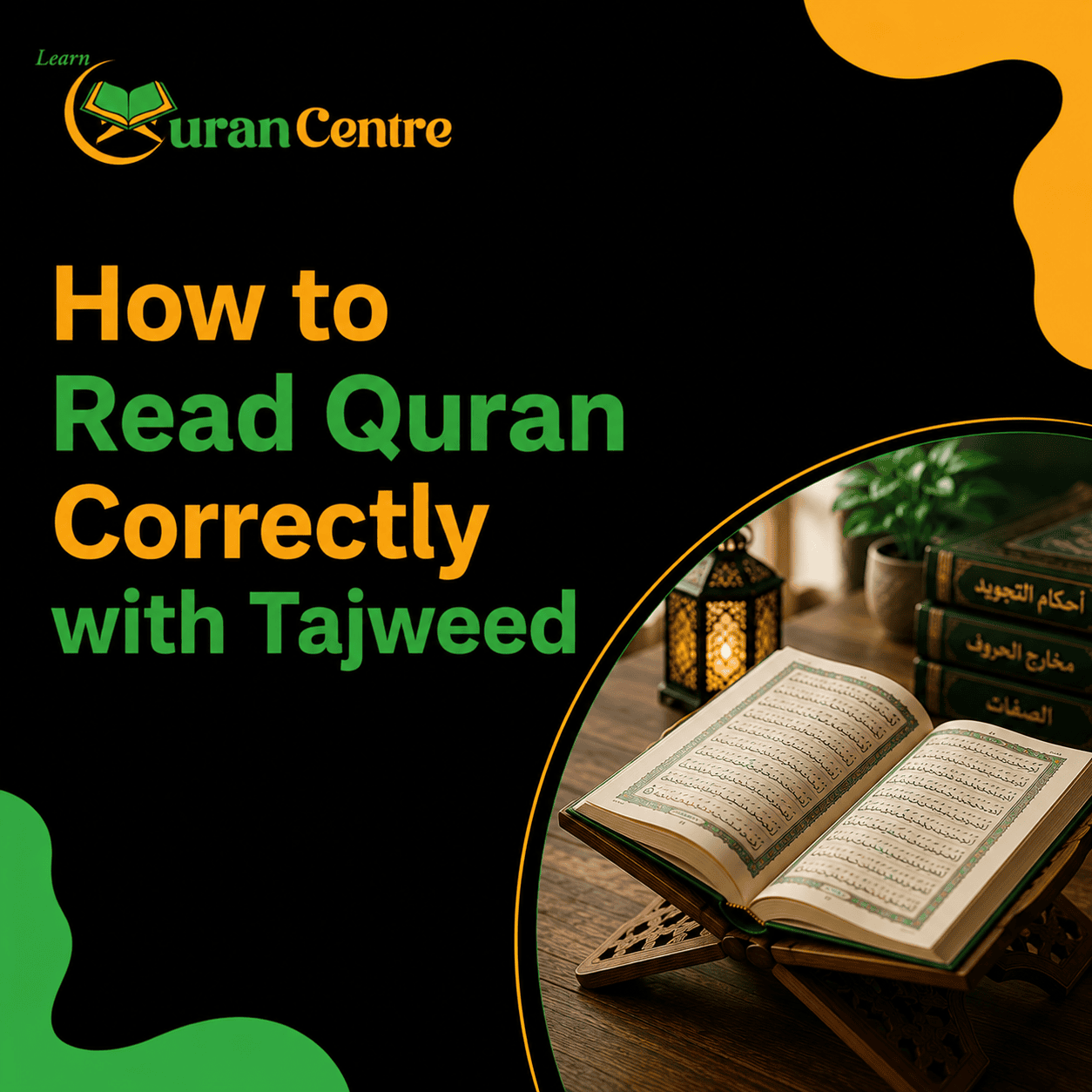
Reading the Quran is a beautiful act of worship. Every Muslim wants to read the words of Allah correctly and with respect. But reading the Quran correctly is not only about knowing the Arabic letters. You also need to learn how each letter is pronounced and how to follow the basic rules of Quran recitation.
This is where Tajweed comes in.
Tajweed helps you pronounce each Arabic letter correctly, stretch sounds when needed, use the right nasal sounds, and know where to stop while reading. It can make your Quran recitation clearer, more accurate, and more confident.
If you are a beginner, do not worry. You do not need to learn every Tajweed rule at once. Taking online Quran classes with a qualified teacher can help you learn and practice Tajweed step by step from the comfort of your home. With regular practice and patience, you can improve your Quran reading over time.
In this guide, you will learn how to read the Quran correctly with Tajweed, the basic rules you need to know, common mistakes to avoid, and simple ways to improve your Quran reading.
What Is Tajweed?
Tajweed is a set of rules that helps Muslims read the Quran correctly.
The word Tajweed means to make something better or more accurate. In Quran reading, it means giving every Arabic letter its correct sound and pronunciation.
Some Arabic letters may sound similar to people who are not familiar with Arabic. A small change in pronunciation can sometimes change the meaning of a word. Tajweed helps you avoid these mistakes.
Tajweed teaches you things such as:
- How to pronounce Arabic letters correctly
- Where each letter comes from in the mouth or throat
- When to make a sound longer
- When to stop or continue reading
- How to pronounce letters with special rules
- When to make a nasal sound
- How to join letters and words correctly
Why Is Tajweed Important?
The Quran was revealed in Arabic, so Muslims should try to read its words as accurately as possible.
Learning Tajweed helps you become more careful with your pronunciation. It also helps you read the Quran with confidence instead of guessing how a word should sound.
Tajweed is especially helpful for beginners because it gives them a clear way to learn Quran reading step by step.
It can also help people who already know how to read the Quran but want to improve their pronunciation and recitation.
How to Read the Quran Correctly with Tajweed
You do not need to learn all the rules in one day. The best way is to learn one step at a time and practice regularly.
1. Learn the Arabic Letters Properly
If you are a beginner, start by learning the Arabic alphabet.
Learn the correct sound of each letter and pay attention to letters that may sound similar.
For example, س, ص, and ث have different sounds. Learning these differences early can make Quran reading much easier later.
Do not rush through the alphabet. Make sure you can recognize and pronounce each letter before moving to more difficult lessons.
2. Learn the Correct Pronunciation of Each Letter
Every Arabic letter has a specific place from which its sound comes. This is called Makharij al-Huruf, or the articulation points of the letters.
Some letters come from the throat, while others come from the tongue, lips, or different parts of the mouth.
Learning Makharij is one of the most important parts of Tajweed because correct Quran reading starts with producing each letter from the right place.
3. Learn Basic Tajweed Rules
Once you understand the Arabic letters and their sounds, start learning the basic Tajweed rules.
Some common Tajweed topics include:
- Noon Sakinah and Tanween
- Meem Sakinah
- Madd
- Qalqalah
- Ghunnah
- Rules of stopping and starting
- Heavy and light letters
These names may sound difficult at first, but they become much easier when a teacher explains them with simple examples.
Try to learn one rule at a time instead of trying to memorize everything together.
4. Practice with Short Surahs
Short Surahs are a great way to practice Tajweed.
You can begin with Surah Al-Fatihah and then practice short Surahs from Juz Amma, such as:
- Surah Al-Ikhlas
- Surah Al-Falaq
- Surah An-Nas
- Surah Al-Kawthar
- Surah Al-Asr
Read slowly and focus on your pronunciation. It is better to read a few verses correctly than to rush through a whole page.
5. Listen to a Good Quran Reciter
Listening to Quran recitation can help you understand how the words should sound.
Choose a reliable Quran reciter and listen carefully. Then try to read the same verses yourself.
A simple method is:
Listen → Pause → Repeat → Check → Repeat again
This can help you improve your pronunciation, timing, and reading flow.
However, listening alone may not be enough. A teacher can hear mistakes that you may not notice yourself.
Learn to Read the Quran Slowly
One common mistake beginners make is trying to read the Quran too quickly.
When learning Tajweed, slow reading is better.
Take your time with each word. Focus on the letters, vowels, stops, and Tajweed rules.
As your reading improves, your speed will naturally become better.
Remember, the goal is not to finish a page as quickly as possible. The goal is to read the words correctly and with care.
Learn Where to Stop While Reading
Tajweed is not only about pronunciation. It also teaches you how to stop and continue while reading.
Stopping in the wrong place can sometimes affect the meaning of a verse. This is why Quran readers learn Waqf, which refers to stopping during Quran recitation.
The Quran contains different stopping signs that help the reader understand when to stop, continue, or pause.
If you are learning Tajweed, ask your teacher to explain these signs and show you how they are used.
Learn Makharij and Sifaat
Two important areas of Tajweed are Makharij and Sifaat.
Makharij refers to the places where Arabic letters come from when they are pronounced.
Sifaat refers to the characteristics or qualities of the letters.
These topics may sound advanced, but they are very useful for improving pronunciation.
For example, some Arabic letters are pronounced with a stronger or heavier sound, while others are lighter. Learning these differences helps you read the Quran more accurately.
Common Tajweed Mistakes to Avoid
Many Quran learners make small mistakes while reading. This is completely normal, especially when you are still learning.
The important thing is to notice your mistakes and work on them.
Reading Too Quickly
Reading too fast can cause you to miss letters, vowels, or Tajweed rules.
Slow down and give yourself enough time to pronounce each word properly.
Changing the Sound of a Letter
Some Arabic letters have sounds that can be difficult for non-Arabic speakers.
Try not to replace one letter with another that sounds similar. Practice difficult letters with your teacher until you can pronounce them correctly.
Ignoring Madd
Madd means stretching a sound for a specific amount of time according to its rule.
A common mistake is either not stretching the sound enough or stretching it for too long. Your teacher can help you understand the correct length for each type of Madd.
Not Using Ghunnah Correctly
Ghunnah is a nasal sound used in certain Quranic rules.
It is important to learn when Ghunnah is needed and how long it should be held.
Stopping at the Wrong Place
Stopping without understanding the stopping signs can affect the meaning of a verse.
Learning basic Waqf rules can help you know where it is appropriate to stop and where you should continue.
Can I Learn Tajweed at Home?
Yes, you can practice Tajweed at home.
There are many Quran books, videos, and online resources that can help you understand Tajweed rules. You can also listen to Quran recitations and practice the verses yourself.
However, learning with a qualified Quran teacher can make the process much easier.
A teacher can listen to your recitation and correct mistakes that you may not notice on your own.
For this reason, many students choose online Tajweed classes where they can learn from home while receiving personal guidance from a teacher.
Can I Learn Tajweed Online?
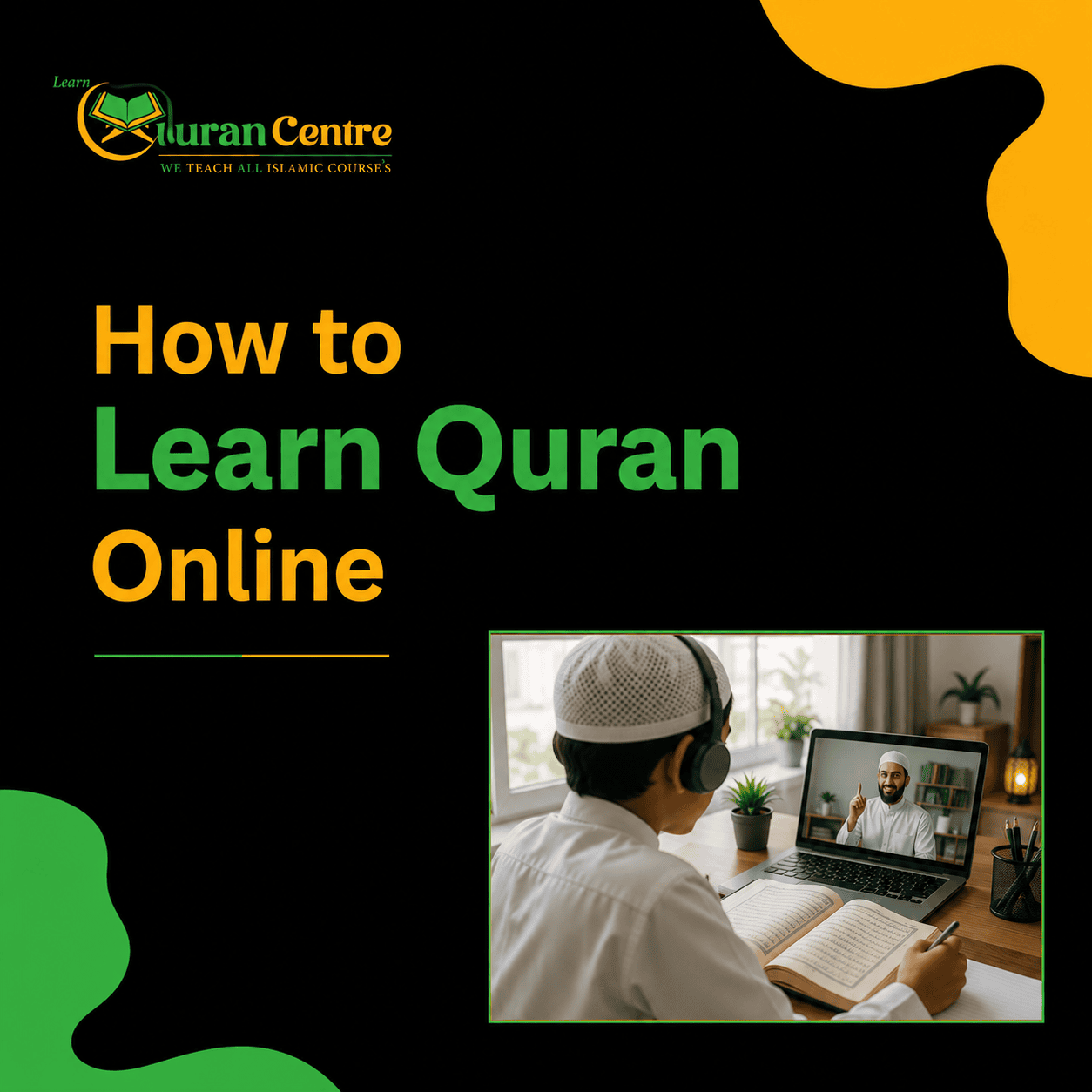
Yes. Online Quran classes can be a convenient way to learn Tajweed, especially for children and adults with busy schedules.
With online Quran lessons, you can learn from home and practice with a teacher regularly.
A good online Quran class should provide:
- A qualified Quran teacher
- Regular Quran reading practice
- Correction of pronunciation
- Step-by-step Tajweed lessons
- Flexible class times
- Lessons suitable for your current level
- One-to-one guidance when possible
The most important thing is to choose a teacher who listens carefully to your recitation and corrects your mistakes in a patient and simple way.
How Long Does It Take to Learn Tajweed?
There is no fixed time for learning Tajweed.
It depends on your current Quran reading level, how often you practice, and how much time you spend learning with a teacher.
Some students may learn the basic rules in a few weeks or months. Becoming confident with full Quran recitation can take longer.
The key is consistency.
Even 15 to 30 minutes of focused practice each day can make a big difference when you continue regularly.
Do not compare your progress with someone else. Every student learns at a different pace.
A Simple Daily Tajweed Practice Routine
You can use this simple routine at home:
5 minutes: Review one Tajweed rule.
10 minutes: Read a few Quranic verses slowly.
5 minutes: Listen to a skilled reciter and repeat the same verses.
5 minutes: Read the verses again and focus on the mistakes your teacher has corrected.
You do not need to spend hours every day. Regular practice is more useful than studying for a long time once in a while.
Should Children Learn Tajweed?
Yes. Children can start learning Tajweed from a young age.
Teaching correct pronunciation early can make Quran reading easier as they grow.
Children usually learn better when lessons are short, simple, and engaging. A patient teacher can make Tajweed easier by using examples and allowing the child to practice one rule at a time.
Parents can also help by giving children a quiet time and place for Quran practice at home.
Can Adults Learn Tajweed?
Absolutely.
It is never too late to improve your Quran reading.
Many adults start learning Tajweed after years of reading the Quran. Some may feel nervous because they think they should already be good at it. But there is no need to feel embarrassed about making mistakes while learning.
The important thing is to keep practicing and ask a teacher for help when needed.
Whether you are a complete beginner or already know how to read the Quran, you can continue improving your recitation.
How to Improve Your Quran Reading with Tajweed
If you want to become better at Tajweed, follow these simple tips:
- Practice every day. Even a short daily practice session can help.
- Read slowly. Focus on correct pronunciation instead of speed.
- Listen to good recitation. Pay attention to how the letters and words are pronounced.
- Record yourself. Listening to your own recitation can help you notice areas that need improvement.
- Practice difficult letters. Spend extra time on letters that you find difficult.
- Learn from a teacher. A qualified teacher can correct mistakes and guide your progress.
- Review old lessons. Do not move on without practicing what you have already learned.
- Be patient. Tajweed takes time, and improvement comes through regular practice.
Learn Tajweed with a Qualified Quran Teacher
Books, videos, and Quran apps can be useful for learning basic Tajweed concepts. But having a teacher is especially helpful because Tajweed is about how you pronounce the Quran.
You may not notice your own pronunciation mistakes. A teacher can listen to your recitation, point out the problem, and show you how to correct it.
With regular lessons, you can slowly build better pronunciation, confidence, and fluency.
If you want to improve your Quran reading, [Learn Quran Centre] offers online Quran lessons that can help students learn Tajweed step by step with a qualified teacher. Students can practice from home and receive personal guidance during their lessons.
Frequently Asked Questions About Reading the Quran with Tajweed
What is Tajweed in the Quran?
Tajweed is a set of rules that helps you pronounce the letters and words of the Quran correctly. It teaches you how to produce each letter, stretch certain sounds, use nasal sounds, and follow proper stopping rules.
How can I learn Quran with Tajweed?
Start by learning the Arabic letters and their correct pronunciation. Then learn basic Tajweed rules and practice them while reading short Surahs. Learning with a qualified Quran teacher can help you correct mistakes and improve faster.
Is Tajweed difficult for beginners?
Tajweed may seem difficult when you first see the different rules and terms. However, you do not need to learn everything at once. When the rules are taught step by step with examples and regular practice, they become much easier.
Can I learn Tajweed at home?
Yes. You can study Tajweed at home using Quran books, videos, and online lessons. However, a qualified teacher can listen to your recitation and correct pronunciation mistakes that may be difficult to notice yourself.
How long does it take to learn Tajweed?
There is no fixed time. It depends on your current reading level, practice routine, and lessons with a teacher. With regular practice, many students can learn basic rules within a few weeks or months, while becoming fully confident takes more time.
Can adults learn Tajweed?
Yes. Adults can learn Tajweed at any age. Whether you are a beginner or have been reading the Quran for years, you can improve your pronunciation and recitation with regular practice and proper guidance.
What is the best way to practice Tajweed?
The best approach is to practice regularly with a qualified teacher. Read slowly, listen to good Quran recitation, repeat difficult verses, and work on the mistakes your teacher identifies.
Final Thoughts
Learning to read the Quran correctly with Tajweed is a journey. You do not have to master every rule at once.
Start with the Arabic letters and their correct pronunciation. Then learn the basic Tajweed rules, practice short Surahs, listen to good recitation, and read regularly with a qualified teacher.
Most importantly, be patient with yourself.
Every learner makes mistakes. What matters is that you keep trying, keep practicing, and keep improving your connection with the Quran.
With consistent practice and proper guidance, you can learn to read the Quran more accurately, confidently, and beautifully with Tajweed.